
Article
Legal Insights & Updates
Articles by Barcelona & Gopez Law Office
Civil Law in the Philippines: Common Cases and What You Need to Know
Civil Law in the Philippines: Common Cases and What You Need to Know
Civil law plays a major role in everyday life—often without people realizing it.
From contracts and debts to property ownership and damages, many of the legal issues individuals and businesses face fall under civil law. Yet, when problems arise, people are often unsure whether their situation qualifies as a civil case or what steps they should take next.
This guide explains civil law in the Philippines in simple terms, including common types of cases, your legal rights, and when it’s best to seek professional legal help.
What Is Civil Law?
Civil law governs disputes between individuals, businesses, or organizations where legal rights and obligations are involved.
Unlike criminal law, which deals with offenses against the state, civil law focuses on resolving private disputes and providing remedies such as compensation or enforcement of agreements.
In most civil cases, the goal is not to punish—but to correct a wrong, enforce a right, or recover damages.
Common Types of Civil Law Cases in the Philippines
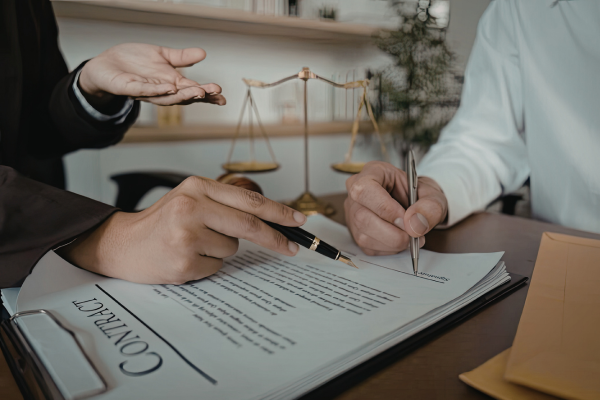
Understanding where your situation falls can help you determine your next steps. Here are some of the most common civil law cases:
1. Contract Disputes
Contracts are a fundamental part of daily transactions—whether personal or business-related.
Disputes can arise when:
One party fails to fulfill their obligations
Terms are unclear or violated
Agreements are breached
Examples include:
Unpaid services
Failure to deliver goods
Broken business agreements
In these cases, the injured party may file a civil case to enforce the contract or claim damages.
2. Debt and Collection Cases
Unpaid debts are one of the most common civil disputes in the Philippines.
This includes:
Personal loans not being repaid
Credit obligations
Business-related debts
Legal action may be necessary when:
The debtor refuses to pay
Payment terms are repeatedly ignored
A lawyer can help assess whether filing a collection case is the best course of action.
3. Property and Real Estate Disputes
Property-related issues often involve complex documentation and legal procedures.
Common cases include:
Land ownership disputes
Boundary conflicts
Issues with land titles
Lease disagreements
These disputes can escalate if not handled properly, especially when documentation is incomplete or contested.
4. Claims for Damages
If you have suffered loss or injury due to another person’s actions, you may be entitled to compensation under civil law.
Damages may arise from:
Negligence
Breach of contract
Personal injury
Property damage
The court may award financial compensation depending on the circumstances and evidence presented.
5. Enforcement of Legal Rights
Civil law also allows individuals to enforce their legal rights when they are violated.
This may include:
Stopping unlawful actions
Enforcing obligations
Protecting ownership rights
In many cases, legal action ensures that agreements and rights are respected under the law.
What Are Your Legal Remedies in Civil Cases?
If you are involved in a civil dispute, the law provides several possible remedies:
1. Filing a Civil Case
You may bring your case to court to seek resolution and enforce your rights.
2. Monetary Damages
Financial compensation may be awarded for losses or harm suffered.
3. Specific Performance
The court may order a party to fulfill their obligation (e.g., honor a contract).
4. Injunction
This prevents a party from continuing a harmful or unlawful act.
The appropriate remedy depends on the nature of your case and the available evidence.
Steps in Filing a Civil Case in the Philippines

While each case is different, the general process includes:
1. Legal Consultation
A lawyer evaluates your situation and determines if you have a valid case.
2. Preparation of Documents
This includes contracts, receipts, communications, and other evidence.
3. Filing the Complaint
A formal complaint is filed in the appropriate court.
4. Court Proceedings
Both parties present their arguments, evidence, and witnesses.
5. Decision
The court issues a ruling based on the merits of the case.
Civil cases can take time, which is why proper preparation and legal guidance are essential.
When Should You Consult a Lawyer?
Many people wait until a dispute becomes serious before seeking legal help—but earlier is always better.
You should consider consulting a lawyer if:
An agreement has been violated
You are dealing with unpaid debts
You are unsure of your legal rights
A dispute is escalating
You are planning to file a case
Early legal advice can help you avoid mistakes and strengthen your position.
Common Mistakes to Avoid in Civil Cases
To protect your interests, avoid these common pitfalls:
Ignoring the Problem
Delays can make the situation worse and weaken your case.
Lack of Documentation
Without proper evidence, proving your claim becomes difficult.
Relying on Verbal Agreements
Written agreements are always stronger and easier to enforce.
Handling Complex Issues Alone
Legal procedures can be technical—professional guidance matters.
How a Lawyer Can Help You
A lawyer plays a critical role in civil cases by:
Evaluating the strength of your case
Advising on the best legal strategy
Preparing and reviewing documents
Representing you in negotiations or court
Protecting your rights throughout the process
Having the right legal support ensures that your case is handled properly and efficiently.
Final Thoughts
Civil law is an essential part of protecting your rights in both personal and business matters.
Whether you are dealing with a contract issue, a property dispute, or a claim for damages, understanding your legal options is the first step toward resolution. Acting early, staying informed, and seeking professional guidance can make a significant difference in the outcome of your case.
📩 Need Help With a Civil Law Matter?
If you are facing a dispute or need legal guidance, it’s important to act early.
Reach out through our Contact Us page to discuss your situation and explore your legal options.
Getting the right advice now can help you avoid bigger problems later.